Quick Technical Overview: How Do Workflow Automation Software & Legal Workflow Management Platforms Operate?
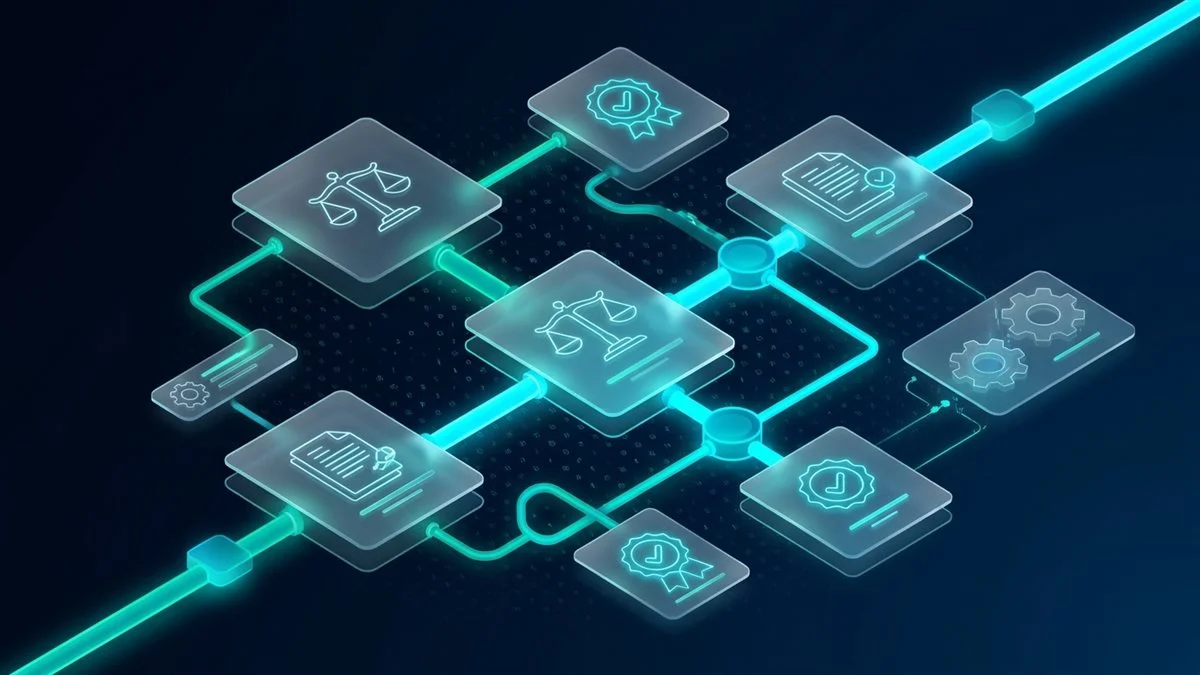
Enterprise workflow automation software and legal workflow management software orchestrate repetitive legal operations—such as matter intake, NDA routing, subpoena tracking, document workflow automation, and billing approvals—across ERP, CRM, and DMS repositories. Combining deterministic conditional logic with AI workflow automation slashes manual handoff bottlenecks while preserving immutable compliance audit logs.
Executive Summary: Selecting Enterprise Workflow Automation Platforms
- No-Code Process Orchestration: Top workflow automation platforms empower legal ops teams to deploy intake triage, outside counsel guidelines, and approval gates without custom code.
- Document Workflow Automation: Dynamically assemble clause-approved templates, capture e-signatures, and push executed PDFs straight into governed SharePoint/iManage folders.
- Hybrid Rule + AI Routing: Deterministic logic handles privilege walls and financial sign-off thresholds while AI workflow automation extracts metadata from incoming subpoenas and requests.
- Full Audit Traceability: Timestamped state transitions prove regulatory compliance under SOX, GDPR, and FRCP Rule 34 discovery timelines.
1. Why Legal Departments & Enterprises Need Dedicated Workflow Automation Software
In most corporate legal teams, high-skill attorneys lose up to 35% of weekly hours chasing email approvals, re-keying intake forms across Salesforce and ServiceNow, or manually checking whether outside counsel matters cleared conflict reviews. Generic task trackers fail under legal governance constraints because they lack ethical walls, versioned clause controls, and litigation hold triggers.
Deploying specialized workflow automation software—and purpose-built legal workflow management software—replaces fragmented inbox requests with deterministic, SLA-tracked pipelines spanning legal, procurement, IT security, and compliance.
High-ROI Workflows Automated First
- Legal Front Door & Matter Intake Triage: Self-service intake forms embedded directly inside Slack and Microsoft Teams route NDAs, vendor DPAs, and HR inquiries to the exact regional specialist within seconds.
- Document Workflow Automation & Self-Service Agreements: Dynamic questionnaires generate pre-approved commercial contracts, route deviation approvals based on dollar cap rules, and auto-file signed copies.
- Subpoena, DSAR & Incident Escalation Pipelines: Automated SLA countdown clocks link privacy compliance (DSAR Automation Blueprint) and Litigation Hold Workflows into one trackable console.
2. Comparing Workflow Automation Platforms & Workflow Automation Tools
Architectural selection hinges on whether your organization needs lightweight SaaS connectors, legal-specific intake portals, or full-stack enterprise orchestration across SAP, Workday, and Purview:
| Platform Tier | Leading Tools | Core Strength | Best Enterprise Use Case |
|---|---|---|---|
| Legal Workflow Management Software | Checkbox, Josef, BRYTER, Ironclad Workflow | Legal logic trees, privilege boundaries, native Word/DMS document generation | Legal front door, self-service NDAs, multi-tier contract risk routing |
| Enterprise iPaaS & Orchestration | Workato, ServiceNow Legal Service Delivery, Power Automate | Deep ERP/HRIS connectors (Workday, Entra ID, SAP) with enterprise RBAC | Cross-departmental employee offboarding holds & vendor onboarding compliance |
| AI Workflow Automation Agents | Custom Python/LangGraph Pipelines, n8n Self-Hosted | LLM classification of unstructured attachments before deterministic routing | Triaging inbound regulatory inquiries & court docket PDF notices automatically |
3. Architectural Blueprint: Combining Deterministic Rules With AI Workflow Automation
Unbounded autonomous agents should never independently authorize binding commitments or modify retention rules without human validation. Resilient workflow automation platforms separate probabilistic AI triage from deterministic state-machine execution:
4. Implementation Roadmap & Avoiding Workflow Sprawl
Organizations often fail with workflow automation tools when attempting to digitize 40 complex legacy processes simultaneously. Follow a disciplined 3-sprint deployment model:
- Sprint 1 (Weeks 1–3): Automate the single highest-volume request (typically Standard NDAs or Legal Intake Triage) to deliver immediate visible time savings across business teams.
- Sprint 2 (Weeks 4–6): Integrate HRIS offboarding webhooks with Automated Legal Hold Synchronization so departing custodians are checked against active matters before device wiping.
- Sprint 3 (Weeks 7–10): Layer AI workflow automation classification atop incoming third-party agreements and export metrics directly into Chief Legal Officer Compliance Dashboards.
Engineering Best Practice: Keep Decision Thresholds Deterministic and Auditable
Use AI only to extract fields and propose routing categories—never let an LLM hard-code approval bypasses. Regulators and internal auditors require deterministic boolean logs demonstrating exactly why and by whom every financial or legal approval was granted.
5. Conclusion & Key Takeaways
Modern workflow automation software and specialized legal workflow management software eliminate friction across matter intake, document assembly, and cross-departmental approvals. Pairing clean API integrations with deterministic compliance audit trails unlocks scalable legal velocity without expanding headcount.
6. Frequently Asked Questions (FAQ)
1. What is legal workflow management software?
Legal workflow management software orchestrates repeatable legal processes—including matter intake, NDA generation, approval escalations, and compliance tracking—while enforcing legal security boundaries and immutable audit trails.
2. How does document workflow automation reduce contract turnaround time?
Document workflow automation replaces manual drafting and back-and-forth emails with dynamic intake templates, rule-based risk routing, automated e-signature triggers, and instant DMS archiving—cutting standard NDA/MSA cycle times by 60%–80%.
3. What is the difference between traditional iPaaS tools and AI workflow automation?
Traditional workflow automation tools require structured form inputs and strict API payloads, whereas AI workflow automation parses unstructured emails, PDFs, and messages first before triggering deterministic downstream approval workflows.